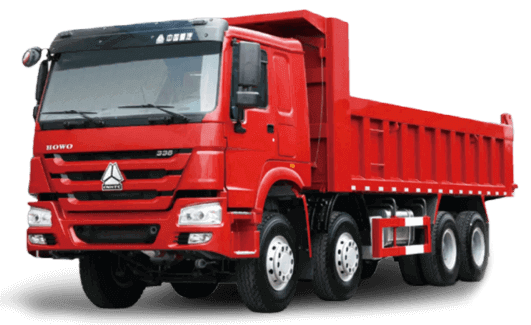
How to Select the Right Tipper Truck for Construction and Infrastructure Projects
September 25, 2026 - By Admin
Tipper trucks play an important role in construction and infrastructure projects, helping transport and unload materials such as sand, gravel, soil, crushed stone, and construction debris. From road development and building construction to large-scale infrastructure work, selecting the right tipper truck can make a difference in how materials are moved around a project site.
However, not every tipper truck is suitable for every job. Factors such as load capacity, body design, operating conditions, road access, and project duration should all be considered before choosing a vehicle.
For contractors and construction companies in Saudi Arabia, understanding these requirements is an important part of planning transportation and material-handling operations.
This guide explains how to select a suitable tipper truck for your construction or infrastructure project and what to consider before renting or purchasing one.
1. Understand Your Project Requirements
The first step in selecting a tipper truck is identifying the type of work it will perform. A truck used for transporting excavated soil on a construction site may have different requirements from one carrying aggregates for road construction.
Before choosing a vehicle, consider:
- The type of construction or infrastructure project.
- The materials that need to be transported.
- The average load required for each trip.
- The distance between loading and unloading points.
- The condition of the roads and project site.
- The expected daily operating hours.
- The duration of the project.
Clearly identifying these requirements helps narrow down the available truck options and avoid choosing a vehicle that does not match the job.
2. Choose the Right Payload Capacity
Payload capacity is one of the most important factors when selecting a tipper truck. It refers to the weight of the material the truck can carry, within its permitted operating limits.
A truck with insufficient capacity may require more trips to move the same amount of material. On the other hand, selecting a truck that is unnecessarily large for the task may increase operating and rental costs.
When comparing trucks, check:
- Maximum permitted payload.
- Gross vehicle weight rating (GVWR).
- Unladen vehicle weight.
- Axle configuration and axle-load limits.
- Material density and expected load weight.
Important: Do not select a truck based on body volume alone. A load of sand, gravel, or soil can weigh significantly different amounts even when it occupies the same space. The actual load must remain within the vehicle's legal and manufacturer-specified limits.
3. Consider the Tipper Body Capacity and Design
The tipper body holds the material and uses a lifting mechanism to unload it. Its size, shape, and construction should match the material being transported and the conditions in which the truck will operate.
Body capacity
Body capacity is generally measured in cubic metres (m³). It indicates the approximate volume of material the body can hold, rather than its permitted payload weight.
A larger body may be useful for lighter materials, but heavy materials can reach the truck's permitted weight limit before the body is full.
Body construction
The body should be suitable for the type of material being carried. Consider durability, resistance to wear, ease of unloading, and suitability for the intended working conditions.
Tipping mechanism
The hydraulic tipping system should be appropriate for the truck's body and intended loads. Ask about its operating requirements, inspection history, and maintenance arrangements.
4. Select the Appropriate Axle Configuration
Tipper trucks are available in different axle configurations. The appropriate option depends on the vehicle's design, load requirements, road conditions, and project location.
For example, a 6×4 truck has six wheel positions across three axles, with four wheel positions driven. An 8×4 configuration has eight wheel positions across four axles, with four driven wheel positions.
When comparing configurations, consider:
- Permitted axle loads and gross vehicle weight.
- Traction requirements.
- Road and site conditions.
- Turning space and manoeuvrability.
- The type and weight of material being transported.
- Applicable transport regulations.
The right configuration should be selected according to the truck's specifications and the conditions of the project, rather than assuming that more axles automatically make a truck suitable for every task.
5. Evaluate Engine Performance and Fuel Efficiency
Engine performance affects a tipper truck's ability to handle demanding transportation work. Construction projects may involve heavy loads, frequent stops, uneven surfaces, and long operating hours.
When comparing vehicles, review the following specifications:
- Engine power and torque.
- Transmission type and available gear ratios.
- Fuel consumption under expected operating conditions.
- Cooling system and suitability for the working environment.
- Manufacturer-recommended service intervals.
A truck should provide the performance required for its intended load and route. Fuel consumption should also be considered when estimating the overall cost of operating the vehicle throughout the project.
6. Consider Saudi Arabia's Climate and Site Conditions
Construction and infrastructure projects in Saudi Arabia can involve high temperatures, dusty environments, and extended outdoor operations. These conditions make equipment selection and maintenance planning particularly important.
Before choosing a tipper truck, consider:
Cooling and ventilation: Review the cooling system's specifications and maintenance requirements for the expected operating conditions.
Air filtration: Check the engine air filtration system and follow the manufacturer's recommended inspection and replacement intervals, especially in dusty environments.
Tyres: Select tyres appropriate for the intended road surfaces, load, and operating conditions.
Maintenance access: Confirm that routine servicing, inspections, and necessary repairs can be arranged during the project.
Site accessibility: Check whether the truck can safely access loading and unloading areas, including construction entrances, temporary roads, and material stockpiles.
The truck's suitability should be assessed against actual site conditions rather than relying on general descriptions of its capabilities.
7. Check Safety Features and Operating Requirements
Safety should be part of the selection process from the beginning. Tipper trucks carry heavy loads and use a raised body during unloading, so both vehicle operation and the unloading area require careful attention.
Before choosing a truck, review:
- Braking system and vehicle stability.
- Reversing visibility and warning systems.
- Mirrors and other visibility aids.
- Condition of tyres, suspension, and steering.
- Hydraulic system condition and body-locking arrangements.
- Seat belts and other applicable safety equipment.
- Availability of suitable operating instructions and maintenance records.
Safe unloading practices
The unloading area should be assessed before tipping begins. The truck should be positioned on suitable, stable ground, away from overhead hazards and other site activities.
The body must not be raised where overhead power lines or other obstructions create a hazard. Operators should follow the manufacturer's instructions and the project's safety procedures.
8. Compare Renting and Purchasing a Tipper Truck
The choice between renting and purchasing depends on how frequently the truck will be used, the duration of the project, available capital, and the company's existing fleet.
Renting a tipper truck
Renting may suit contractors who need additional transportation capacity for a defined project or a temporary increase in workload.
Consider:
- Rental duration and payment terms.
- Vehicle availability when required.
- Delivery and collection arrangements.
- Fuel, operator, maintenance, and repair responsibilities.
- Charges for extensions or additional usage.
Purchasing a tipper truck
Purchasing may be considered by businesses with recurring, long-term demand for a particular vehicle type.
Consider:
- Initial purchase price and financing.
- Insurance and registration costs.
- Maintenance, repairs, and replacement parts.
- Storage and fleet management.
- Expected utilisation and resale value.
Comparing the total costs over the expected period of use can help businesses understand which arrangement fits their operational and financial requirements.
9. Calculate the Total Cost of Operating a Tipper Truck
The purchase price or rental rate is only one part of the overall cost. Construction companies should consider the full cost of using the vehicle during the project.
Common cost factors include:
- Rental charges or vehicle financing.
- Fuel consumption.
- Driver or operator expenses.
- Routine maintenance and repairs.
- Tyres and wear-related expenses.
- Transportation to and from the project site.
- Insurance and applicable fees.
- Downtime and delays.
It is also useful to estimate the number of trips required to transport the planned material volume.
For example, the number of trips depends on both the volume of material and the truck's actual allowable payload. A larger body does not necessarily mean that more material can be carried legally.
Planning around realistic payloads, route distances, loading times, and unloading times can help contractors prepare a more accurate transportation schedule.
11. Choosing a Tipper Truck for Your Construction Project in Saudi Arabia
The right truck depends on the material being transported, the expected workload, the distance travelled, and the conditions at the construction site.
For projects in Dammam and other parts of Saudi Arabia, contractors should confirm the vehicle's specifications, rental terms, and delivery arrangements before scheduling the equipment.
Carmel Group KSA offers commercial vehicle and transportation-related solutions for business requirements. Companies planning construction or infrastructure work can visit the Carmel Group KSA website to review the available offerings and contact the team regarding their project needs.
When enquiring about a tipper truck, provide the project location, material type, required capacity, expected rental duration, and preferred delivery date. This information helps clarify the vehicle requirements and supports a more informed discussion.
Conclusion
Selecting the right tipper truck for construction and infrastructure projects involves more than comparing vehicle sizes or rental prices. Payload capacity, body design, axle configuration, engine performance, safety features, and site conditions all influence whether a truck is suitable for the job.
By assessing these factors in advance, construction companies can make informed decisions about their transportation requirements and plan material movement according to their project schedules.
For businesses seeking commercial vehicle and transportation Services in Saudi Arabia, visit Carmel Group KSA to learn more about the available services and discuss your project requirements.