8000 Gallon Water Tankers: Applications and Key Considerations
October 08, 2026 - By Admin
Water plays an important role in construction, road development, landscaping, industrial operations and other large-scale projects. When projects require significant quantities of water to be transported and distributed across different locations, a high-capacity water tanker can provide a practical solution.
An 8000 gallon water tanker is designed to transport a large volume of water in a single trip, making it useful for projects where regular water delivery and on-site distribution are required. For businesses and contractors in Oman, selecting the right tanker involves considering its capacity, application, equipment features, operating conditions and project requirements.
What Is an 8000 Gallon Water Tanker?
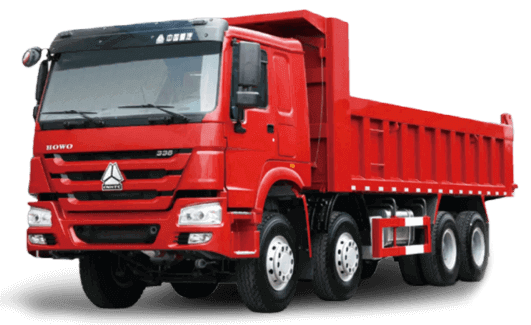
An 8000 gallon water tanker is a heavy vehicle equipped with a large water storage tank for transporting and distributing water. Its high capacity allows it to carry substantial quantities of water between a filling point and the required work location.
Depending on the configuration and intended use, water tankers can support construction activities, dust suppression, landscaping, roadwork, industrial operations and other water-management requirements.
Carmel Group offers tanker solutions in Oman, including an 8000 GLN water tanker in Muscat. The listed tanker has a 2023 model year and includes features such as a sprinkler device, two fire extinguishers and a ladder.
For more details, visit Carmel Group's 8000 GLN Water Tanker page.
Applications of 8000 Gallon Water Tankers
1. Construction Site Water Supply
Construction projects often require water for several activities, including concrete-related work, soil preparation, cleaning and general site operations.
An 8000 gallon tanker can transport a substantial volume of water to construction sites, helping teams maintain a more consistent supply without depending entirely on smaller delivery vehicles.
2. Dust Suppression
Dust can be generated by excavation, earthmoving, demolition, vehicle movement and material handling. Water tankers can distribute water over roads and exposed surfaces to help control airborne dust.
This is particularly useful on large construction sites where extensive areas require regular watering.
3. Road Construction and Maintenance
Road construction projects can require water for soil conditioning, dust control and other site activities.
A high-capacity tanker can travel along construction routes and deliver water where it is required, supporting activities across different sections of a project.
4. Soil Compaction
Water is often used during soil compaction to help achieve the required moisture conditions for earthwork operations.
A water tanker can distribute water across prepared soil before or during compaction, helping construction teams maintain more consistent site conditions.
5. Landscaping and Irrigation
Large landscaping projects may require considerable amounts of water, particularly when working across newly developed areas.
An 8000 gallon tanker can support irrigation and watering requirements where a permanent water connection is not yet available or where water needs to be transported between locations.
6. Industrial Applications
Industrial facilities may require water for cleaning, site maintenance, dust control and other operational purposes.
A high-capacity tanker can support these requirements by transporting bulk quantities of water to locations where fixed water infrastructure may not provide sufficient coverage.
7. Emergency Water Requirements
Water tankers can also provide a mobile water source for certain emergency and support applications. The suitability of a tanker for a particular emergency purpose depends on the water type, tanker configuration and applicable safety requirements.
Carmel Group's Oman tanker service covers different tanker applications, including drinking water, construction water and sewage water tankers.
Key Considerations When Choosing an 8000 Gallon Water Tanker
Tank Capacity
Capacity should be one of the first considerations when selecting a tanker. An 8000 gallon capacity can be suitable for projects requiring substantial water volumes, but the actual requirement depends on the size, duration and location of the project.
A larger capacity can reduce the number of trips required for certain applications, while the tanker must still comply with applicable vehicle weight and road regulations.
Intended Application
The tanker should be selected according to the type of water and intended use.
For example, requirements for construction water may differ from those for potable water or wastewater transportation. Businesses should confirm that the tanker configuration is suitable for its intended application.
Water Distribution System
The distribution system is another important consideration. Depending on the project, the tanker may need spraying or sprinkler equipment for applications such as dust suppression, road watering and landscaping.
Carmel Group's listed 8000 GLN tanker includes a sprinkler device.
Safety Equipment
Safety features are important when operating a large water tanker on construction sites, industrial locations and public roads.
The available 8000 GLN tanker listed by Carmel Group includes two fire extinguishers and a ladder.
Vehicle Condition and Maintenance
Before using a tanker, businesses should check its overall mechanical condition, tyres, brakes, tank condition, hoses, valves, pumps and water distribution components.
Regular inspection and maintenance can help reduce unexpected interruptions during operations.
Site Accessibility
The size of an 8000 gallon tanker means that access should be considered before deployment. Narrow roads, restricted entrances, uneven ground and congested construction areas may affect where the tanker can safely operate.
Project managers should assess access routes and turning areas before arranging tanker services.
Rental Duration and Project Schedule
The required rental period should match the project schedule. Short-term construction activities may require a tanker for a limited period, while larger projects may require regular access over several weeks or months.
Planning the rental period in advance can help maintain continuity of water supply.
Benefits of Using a High-Capacity Water Tanker
Fewer Water Delivery Trips
A larger tank can transport more water per trip compared with smaller-capacity vehicles. Depending on the project location and consumption rate, this can reduce the frequency of water deliveries.
Support for Large Work Areas
Large construction and infrastructure sites can cover extensive areas. A high-capacity tanker can provide water across different work zones without requiring frequent refilling.
Flexible Water Distribution
With appropriate spraying or distribution equipment, a tanker can be used for different tasks such as dust suppression, road watering and landscaping.
Practical Solution for Temporary Projects
Projects may not always have permanent water infrastructure in place. A tanker can provide a mobile water supply while construction or other site activities are underway.
Why 8000 Gallons Can Be Useful for Oman Projects
Oman's construction, infrastructure and industrial activities can involve large outdoor work areas where water is required for dust control, site preparation, landscaping and other applications.
For these projects, a high-capacity water tanker can provide mobility and flexibility when water needs to be transported and distributed across different locations.
Carmel Group operates in Oman and provides heavy equipment, vehicle and tanker rental solutions. Its Oman website lists tanker services in Muscat, including an 8000 GLN water tanker.
How to Select the Right Water Tanker for Your Project
Before arranging an 8000 gallon water tanker, consider:
-
The quantity of water required per day
-
The type of water being transported
-
The intended application
-
Required spraying or distribution equipment
-
Project location and site accessibility
-
Rental duration
-
Vehicle condition and maintenance
-
Safety equipment
-
Applicable transportation and operating requirements
Understanding these factors can help businesses choose a tanker that matches their actual operational requirements.
Conclusion
An 8000 gallon water tanker can be a practical solution for construction, roadwork, landscaping, industrial operations and other projects requiring the transportation and distribution of substantial quantities of water.
Its high capacity can support large work areas, while equipment such as sprinkler systems can make the tanker suitable for applications including dust suppression and site watering. However, capacity should not be the only consideration. Businesses should also assess the intended application, distribution system, safety features, site accessibility, vehicle condition and rental period.
For businesses in Oman looking for a high-capacity tanker, Carmel Group's 8000 GLN Water Tanker is an option to consider for project-related water transportation and distribution.