How to Choose the Right Heavy-Duty Truck for Your Business in Oman
October 29, 2026 - By Admin
Choosing the right heavy-duty truck is an important decision for any business involved in construction, logistics, transportation, mining, or material handling. The right vehicle can help improve productivity, manage operating costs, and keep daily operations running smoothly.
With different truck configurations and applications available, businesses need to consider more than just the initial purchase price. Load requirements, engine performance, fuel consumption, road conditions, maintenance, and the availability of service support all play a role in selecting a suitable truck.
If your business is looking for trucks for sale in Oman, this guide explains the key factors to consider before making a purchase.
1. Identify Your Business Requirements
Start by understanding the main purpose of the truck. Different industries require different vehicle configurations.
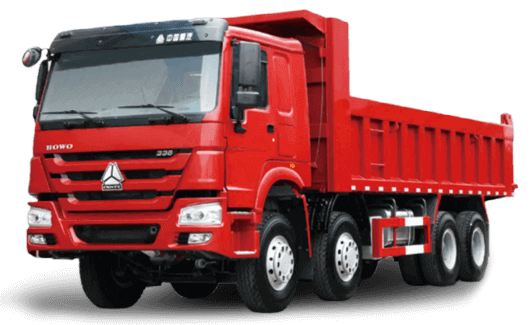
- Construction and infrastructure: Tipper trucks are commonly used to transport sand, gravel, aggregates, and other bulk materials.
- Logistics and freight: Tractor heads are designed to pull compatible trailers for transporting goods over long distances.
- Mining and quarrying: Heavy-duty trucks with suitable payload capacity and a robust chassis are important for demanding site conditions.
- Water transportation: Water tankers are suitable for businesses that require the transportation and distribution of water.
Identifying your primary application helps narrow down the options and prevents investing in a truck that does not meet your operational needs.
For construction and bulk material transportation, explore the SHACMAN H3000S 6×4 Tipper Truck.
2. Choose the Right Load Capacity and Configuration
Load capacity is one of the most important considerations when selecting a heavy-duty truck. A vehicle that is unsuitable for your typical load may affect productivity, operating costs, and safety.
Before choosing a truck, consider:
- The average and maximum weight of the materials or goods transported.
- The body or trailer type required for the job.
- The number of trips needed each day.
- The road conditions and terrain at your operating locations.
- Applicable vehicle weight limits and regulations in Oman.
The axle configuration also matters. For example, a 6×4 tipper and an 8×4 tipper may suit different payload and site requirements. The best option depends on the vehicle's approved specifications and the nature of your work.
3. Evaluate Engine Performance and Fuel Efficiency
Engine performance affects a truck's ability to carry loads, climb gradients, and operate under demanding conditions. However, choosing the highest-powered engine is not always the most economical option.
Consider the following factors:
- Engine power and torque for your typical load.
- Fuel consumption under real operating conditions.
- Transmission suitability for your routes and applications.
- Cooling system performance under heavy workloads.
- The availability and cost of replacement parts.
For businesses involved in long-distance transportation, fuel efficiency can make a significant difference to overall operating expenses. For construction and mining applications, dependable performance under heavy loads may be a higher priority.
Compare the available specifications carefully and choose a truck that balances performance with the operating requirements of your business.
4. Consider the Operating Conditions in Oman
Heavy-duty trucks operating in Oman may encounter high temperatures, dusty environments, long highway journeys, and demanding construction sites. These conditions make vehicle suitability and maintenance particularly important.
When evaluating a truck, consider its cooling system, air filtration, tyre suitability, chassis durability, and the manufacturer's recommended maintenance schedule.
It is also important to ensure that the vehicle is appropriate for your intended routes, load requirements, and operating environment. Regular inspections and timely servicing can help reduce avoidable downtime.
Businesses looking for heavy-duty freight vehicles can explore the SHACMAN X3000 Tractor Head, which is listed by Carmel Group for long-haul and heavy-load transportation applications.
5. Compare the Total Cost of Ownership
The purchase price is only one part of the cost of owning a commercial truck. Businesses should calculate the expected cost of operating the vehicle over its working life.
Key expenses include:
- Initial purchase price and financing costs.
- Fuel consumption.
- Scheduled maintenance and repairs.
- Tyres and replacement parts.
- Insurance, registration, and applicable fees.
- Downtime and its effect on business operations.
A truck with a lower purchase price may not necessarily be the most cost-effective choice in the long term. Compare available options based on your expected mileage, load, working hours, and maintenance requirements.
6. Check Maintenance and After-Sales Support
Reliable service support is important for businesses that depend on their vehicles every day. Delays caused by repairs or unavailable parts can affect delivery schedules and project timelines.
Before purchasing, ask about service arrangements, warranty terms, spare-parts availability, recommended service intervals, and technical support.
Carmel Group Oman provides heavy vehicle sales alongside vehicle-related services. Learn more about its vehicle service offerings and discuss your requirements with the team before selecting a truck.
7. Compare Truck Models Before Making a Decision
Once your requirements are clear, compare suitable models using the same criteria. Review the specifications, intended application, payload requirements, engine details, dimensions, and operating costs.
8. Choose a Truck Supplier That Understands Your Business
Selecting a suitable supplier is just as important as choosing the vehicle. A knowledgeable sales team can help you understand available configurations, compare specifications, and identify options that match your business needs.
Carmel Group operates in Oman and offers heavy vehicle sales and related services. Businesses can contact the team to discuss truck requirements, request current pricing, and confirm the availability of specific models.
Visit the Carmel Group Oman website to explore its range of vehicles and equipment.
Conclusion
Choosing the right heavy-duty truck in Oman starts with understanding your business needs. Before deciding, consider the truck's application, load capacity, engine performance, fuel efficiency, operating conditions, total ownership costs, and after-sales support.
Whether your business needs a tractor head for freight transportation or a tipper truck for construction projects, comparing the right specifications can help you make a more informed investment.
Looking for heavy-duty trucks for your business? Explore trucks for sale at Carmel Group Oman or contact the team to discuss your requirements.